10 Pregnancy Books for First-Time Moms: Expert Advice, Nutrition, and Inspiration
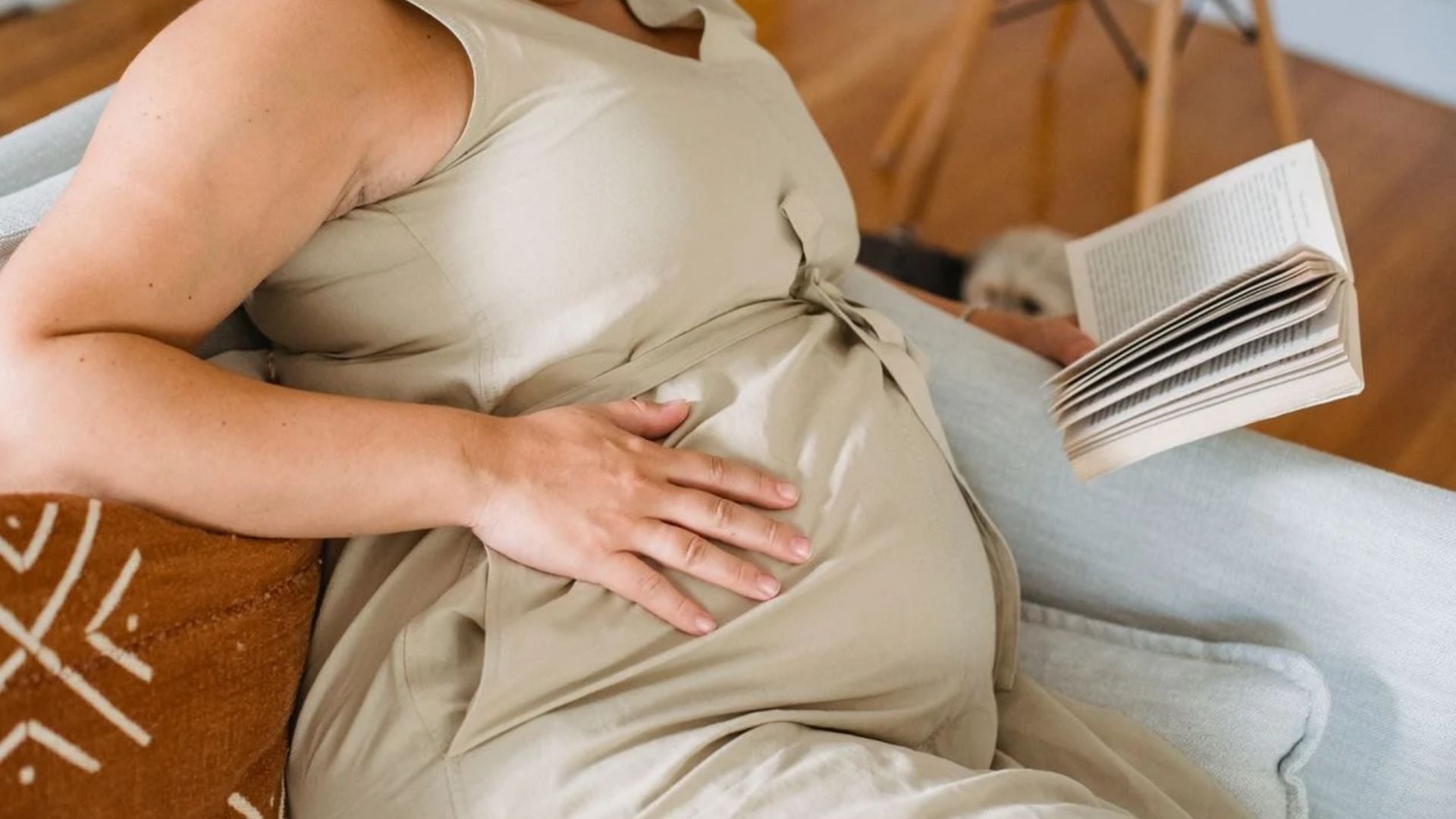
Discover 10 of the best pregnancy books for first-time moms, from comprehensive guides and prenatal nutrition resources to thoughtful explorations of pregnancy science and personal experience. Find books to help you navigate pregnancy with knowledge, confidence, and inspiration.
By Julie Tyler Ruiz, PhD, CNC
CONTENTS:
- Seeking pregnancy books for guidance and reassurance
- Comprehensive pregnancy guides for first-time moms
- Pregnancy nutrition and cookbooks
- Pregnancy science, research, and culture
- Pregnancy journaling
- Keep reading and exploring
Seeking pregnancy books for guidance and reassurance
Pregnancy is an extraordinary experience, but it can also be a bewildering one, especially when you're expecting your first baby. Alongside the excitement and anticipation come unfamiliar symptoms, dramatic changes in your body, new medical decisions, and sometimes more scrutiny and unsolicited advice from healthcare providers, family, and friends than you ever imagined. Add the uncertainty of what's to come, and even a joyful pregnancy can feel overwhelming.
Fortunately, there's no shortage of information about pregnancy. The challenge is knowing where to turn. While the internet offers endless articles, videos, and opinions, a good pregnancy book brings together carefully researched, thoughtfully organized information in a way that allows you to learn at your own pace. The best pregnancy books for first-time moms can help you understand your changing body, make informed decisions, care for yourself and your growing baby, and approach the months ahead with greater confidence.
I turned to books during both pregnancies and came across several titles on this list along the way. There was something reassuring about curling up with a book perched on my expanding belly, knowing that someone had taken the time to gather information, answer questions, and offer guidance to mothers-to-be like me.
Whether you're looking for a comprehensive pregnancy guide, nutritional advice, scientific insights, or a place to record your own experiences, the books below offer different ways to make your pregnancy more informed, enjoyable, and meaningful.
Comprehensive pregnancy guides for first-time moms
These guides cover the essentials of pregnancy, from fetal development and physical changes to prenatal care and practical preparations.
1. Mayo Clinic Guide to a Healthy Pregnancy (p. 2024) by Dr. Myra J. Wick M.D. Ph.D.
What it's about: This comprehensive guide covers pregnancy from conception through childbirth and the early postpartum period. It explains fetal development and changes in the mother's body month by month, along with common pregnancy symptoms, prenatal appointments, screening tests, and potential complications. The book also addresses nutrition, exercise, and important decisions about prenatal care.
Why it's worth reading: The guide offers a reliable, medically grounded reference that first-time mothers can consult throughout pregnancy. Its detailed explanations help readers understand what's happening in their bodies, what to expect at different stages, and when symptoms may warrant medical attention. Rather than focusing on one particular philosophy of pregnancy, it provides a broad foundation of practical information informed by clinical expertise.
Best for: First-time moms who want a comprehensive, trustworthy medical reference to answer questions and understand their pregnancy from beginning to end.
2. The First-Time Mom's Pregnancy Handbook (p. 2019) by Bryn Huntpalmer
- What it's about: Written by the creator of The Birth Hour podcast, The First-Time Mom's Pregnancy Handbook offers a week-by-week guide to pregnancy and the first three months after childbirth. Each stage includes information about fetal development, common symptoms, important medical appointments, and practical goals. The book also provides questions to discuss with your healthcare provider and checklists to help you prepare for your baby's arrival.
- Why it's worth reading: Rather than presenting an enormous volume of pregnancy information all at once, Huntpalmer breaks the experience into manageable weekly installments. The combination of developmental milestones, practical advice, and small action items makes the book useful as an ongoing companion, especially when everything about pregnancy feels new.
- Best for: First-time moms who want a structured, week-by-week guide with practical advice and manageable checklists.
3. The Simplest Pregnancy Book in the World (p. 2023) by S. M. Gross
- What it's about: The Simplest Pregnancy Book in the World is an illustrated guide designed to make pregnancy information easy to understand and apply. With more than 800 illustrations, it addresses pregnancy essentials through visual explanations, straightforward instructions, and practical tips. Topics include changes in the pregnant body, prenatal care, healthy habits, and preparing for childbirth.
- Why it's worth reading: Pregnancy books can be dense, particularly when they introduce unfamiliar medical terminology or explain complicated biological processes. This book prioritizes accessibility, using illustrations and concise explanations to communicate information quickly. It's particularly useful for readers who want answers to specific questions without reading lengthy chapters.
- Best for: Visual learners, busy expectant mothers, and anyone who prefers simple, illustrated explanations to detailed medical discussions.
4. Bumpin': Navigating the Wild, Weird, and Wonderful Journey from Conception to Birth and Beyond (p. 2019) by Leslie Schrock
- What it's about: Bumpin' takes a contemporary, research-informed approach to pregnancy, beginning with conception and continuing through childbirth and the early months of parenthood. Schrock draws on research and her experience working in women's health to address fertility, pregnancy symptoms, nutrition, medical care, and the practical decisions expectant parents face. The revised and updated edition incorporates newer information about prenatal health, feeding, and recovery.
- Why it's worth reading: Schrock approaches pregnancy with candor, acknowledging its uncomfortable, confusing, and occasionally strange realities alongside its pleasures. Her conversational style makes scientific and medical information approachable without avoiding difficult questions. The updated edition is also a useful consideration for readers who want a more recent general pregnancy guide.
- Best for: First-time moms who appreciate a candid, contemporary voice and want a broad introduction to pregnancy grounded in research.
Pregnancy nutrition and cookbooks
These books explore pregnancy nutrition and offer practical guidance, recipes, and meal ideas to nourish you and your growing baby.
5. Real Food for Pregnancy (p. 2018) by Lily Nichols
- What it's about: Registered dietitian Lily Nichols examines the nutritional requirements of pregnancy, drawing on scientific research to explore the roles of protein, fats, carbohydrates, vitamins, and minerals in maternal health and fetal development. She pays particular attention to nutrients such as choline, iron, and folate, while examining conventional dietary recommendations and the benefits of nutrient-dense whole foods. The book also addresses exercise, stress management, and other lifestyle considerations.
- Why it's worth reading: Nichols goes beyond telling pregnant women which foods to eat or avoid. She explains how nutrients function in the body, why pregnancy changes nutritional requirements, and how different foods contribute to meeting those needs. Her detailed references also give interested readers opportunities to investigate the research themselves. Some of her recommendations differ from conventional prenatal nutrition guidance, making this a book to read critically and discuss with your healthcare provider when appropriate.
- Best for: Expectant mothers who want a detailed understanding of prenatal nutrition and enjoy exploring the science behind dietary recommendations.
6. The Whole 9 Months: A Week-by-Week Pregnancy Nutrition Guide with Recipes for a Healthy Start (p. 2016) by Jennifer Lang, MD, and Dana Angelo White, MS, RD
- What it's about: Obstetrician-gynecologist Jennifer Lang and registered dietitian Dana Angelo White combine pregnancy nutrition guidance with more than 100 recipes. The book follows pregnancy week by week, explaining fetal development, changes in the mother's body, and important nutritional considerations. It also offers practical suggestions for navigating common challenges such as nausea, cravings, and food aversions, along with vegetarian, vegan, and gluten-free recipe options.
- Why it's worth reading: The combination of medical expertise, nutritional guidance, and recipes makes this book particularly practical. Rather than separating pregnancy development from everyday eating, it helps readers understand how nutritional needs change through the different stages of pregnancy. Its recipes also provide concrete ways to translate general nutrition advice into meals.
- Best for: First-time moms who want a pregnancy nutrition guide that combines week-by-week information with practical recipes and meal ideas.
7. The First-Time Mom's Pregnancy Cookbook: A Nutrition Guide, Recipes, and Meal Plans for a Healthy Pregnancy (p. 2021) by Lauren Manaker
- What it's about: Registered dietitian Lauren Manaker provides a practical guide to eating well during pregnancy, combining nutritional information with 90 recipes and 12 complete meal plans. The book explains essential nutrients for maternal health and fetal development, identifies foods to prioritize or avoid, and offers month-by-month guidance that accounts for the body's changing needs throughout pregnancy.
- Why it's worth reading: Manaker makes pregnancy nutrition approachable by translating dietary recommendations into meals you can actually prepare. Her month-by-month meal plans offer structure for women who are new to prenatal nutrition, while the recipes provide practical ways to incorporate important nutrients into everyday eating. The combination of clear explanations, meal planning, and cooking guidance makes this a useful resource for putting nutritional knowledge into practice.
- Best for: First-time moms who want straightforward prenatal nutrition advice, easy-to-follow recipes, and ready-made meal plans to help them eat well throughout pregnancy.
Looking for more ways to nourish yourself and your growing family? Visit my sister site, Eating With Babies, for nutritious recipes, practical food inspiration, and thoughtful guidance on eating well through pregnancy, postpartum, and your baby's earliest years.
Pregnancy science, research, and culture
These books take a closer look at the scientific evidence behind pregnancy recommendations and the cultural beliefs and expectations that shape women's experiences.
8. Expecting Better: Why the Conventional Pregnancy Wisdom Is Wrong—and What You Really Need to Know (p. 2013) by Emily Oster
- What it's about: Economist Emily Oster applies statistical analysis to familiar pregnancy recommendations, examining the evidence behind advice concerning caffeine, alcohol, prenatal testing, food safety, and other common concerns. Rather than accepting every recommendation at face value, she investigates the research used to support it and explores how women can evaluate risks and benefits when making decisions.
- Why it's worth reading: Expecting Better encourages readers to ask how pregnancy recommendations are developed and what scientific studies actually demonstrate. Oster's approach is especially interesting for women who enjoy research and want to understand the reasoning behind medical advice rather than simply memorizing rules. However, some of her interpretations—particularly concerning alcohol consumption—remain controversial, and readers should distinguish her statistical arguments from established medical guidance.
- Best for: Analytical readers who want to better understand pregnancy research, evaluate risks, and participate actively in conversations about their prenatal care.
9. Like a Mother: A Feminist Journey Through the Science and Culture of Pregnancy (p. 2018) by Angela Garbes
- What it's about: Journalist Angela Garbes combines scientific reporting, cultural criticism, and personal experience to examine pregnancy and the female body. She explores subjects including the placenta, pelvic floor, miscarriage, breastfeeding, and the ways women receive information about reproductive health. Throughout the book, she considers how cultural attitudes shape women's experiences of pregnancy and their relationships with their bodies.
- Why it's worth reading: Garbes brings intellectual curiosity and personal reflection to subjects that are often treated as purely medical or practical. Her exploration of the placenta, for example, invites readers to appreciate an extraordinary organ that rarely receives much attention outside prenatal appointments. She also challenges the tendency to discuss pregnancy primarily through restrictions and risks, making space for wonder, complexity, and women's lived experiences.
- Best for: Curious, reflective readers who enjoy science writing, personal essays, and thoughtful examinations of women's health and cultural expectations.
Holistic pregnancy and personal reflection
This book encourages expectant mothers to care for their physical and emotional well-being, reflect on their experiences, and preserve meaningful memories of pregnancy.
10. The First-Time Mom's Pregnancy Journal: Monthly Checklists, Activities, & Journal Prompts (p. 2019) by Aubrey Grossen
- What it's about: Unlike a traditional pregnancy guide, The First-Time Mom's Pregnancy Journal invites expectant mothers to document their own experiences. It includes writing prompts, trimester-by-trimester checklists, appointment trackers, and spaces for ultrasound images, belly photographs, baby names, and other memories. The journal combines practical planning tools with opportunities for personal reflection.
- Why it's worth reading: Pregnancy can be filled with moments that feel unforgettable at the time but become difficult to recall years later. A journal creates space to record not only important milestones but also the small details of everyday life: how you felt when you learned you were pregnant, the changes you noticed in your body, and the hopes you had for your child. The result is both a useful organizational tool and a personal keepsake.
- Best for: First-time moms who enjoy journaling, documenting milestones, and creating a lasting record of their pregnancy.
Keep reading and exploring
The right pregnancy books can help you feel informed, reassured, and excited about the months ahead. Choose the ones that speak to your interests, answer your questions, and help you approach pregnancy with curiosity and confidence.
If you love discovering great books, explore our other reading lists on Babies After 40, including our recommendations for books about motherhood and novels about pregnancy. Whether you're looking for practical guidance or inspiration for the journey ahead, there's always another good book waiting to be discovered.
More inspiration for your motherhood journey
Join Babies After 40 Field Notes for thoughtful reflections, book recommendations, helpful resources, and encouragement as you navigate motherhood and midlife.
Thank you for subscribing!
Have a great day!